Getting a senior executive to say yes is the easy part. Here's the hard part
The Ortus Club's Jess Circi on why AI-personalized outreach is losing its edge, and what actually earns a senior executive's trust in 2026.


AI can now draft a personalized cold outreach message in seconds, complete with a reference to the recipient's alma mater, hometown, or last LinkedIn post. That should make it easier than ever to get a senior executive to say yes to an invitation.
Jess Circi says it is doing the opposite.
Jess co-founded The Ortus Club in 2015. The company says it has hosted more than 3,000 invitation-only executive roundtables, masterclasses, and summits across more than 40 countries, and Jess says it has crossed paths with over 38,000 executives globally along the way.
It connects senior decision makers through curated, pitch-free forums, based on what executives consistently tell the company they value most: the calibre of the room, not the keynote on stage.
That bet has made Jess unusually well placed to watch what AI is doing to the oldest currency in B2B marketing: trust. Automation has not made trust less important. It has increased its value.
Speaking with ContentGrip, Jess shares why AI-personalized outreach is starting to lose its edge with executives, why a personal confirmation still beats any automated reminder, and what she thinks most B2B marketers get wrong about earning an executive's attention.
Table of contents
Jump to each section:
- Why "yes" was never the hard part
- The mechanics nobody wants to talk about
- The AI complication
- What happens after the yes
Why "yes" was never the hard part
Jess has spent over a decade trying to map what makes a senior executive accept an event invitation. Her first conclusion: "I've spent over a decade trying to map the psychology behind this, and I don't think there will ever be a clean, black/white answer."
Too many variables in a person's life, on any given day, for a tidy answer to hold.
Patterns do show up. Timing matters, Jess says, pointing to AI governance conversations The Ortus Club ran eighteen months ago that most rooms treated as theoretical. The same topic today gets an urgent yes, because executives are living the decision rather than anticipating it.
But one factor outranks timing, venue, and even a famous keynote speaker: the calibre of the room, and whether the guest trusts whoever put it together. "Executives attend when they trust the room more than they trust the pitch," Jess says.
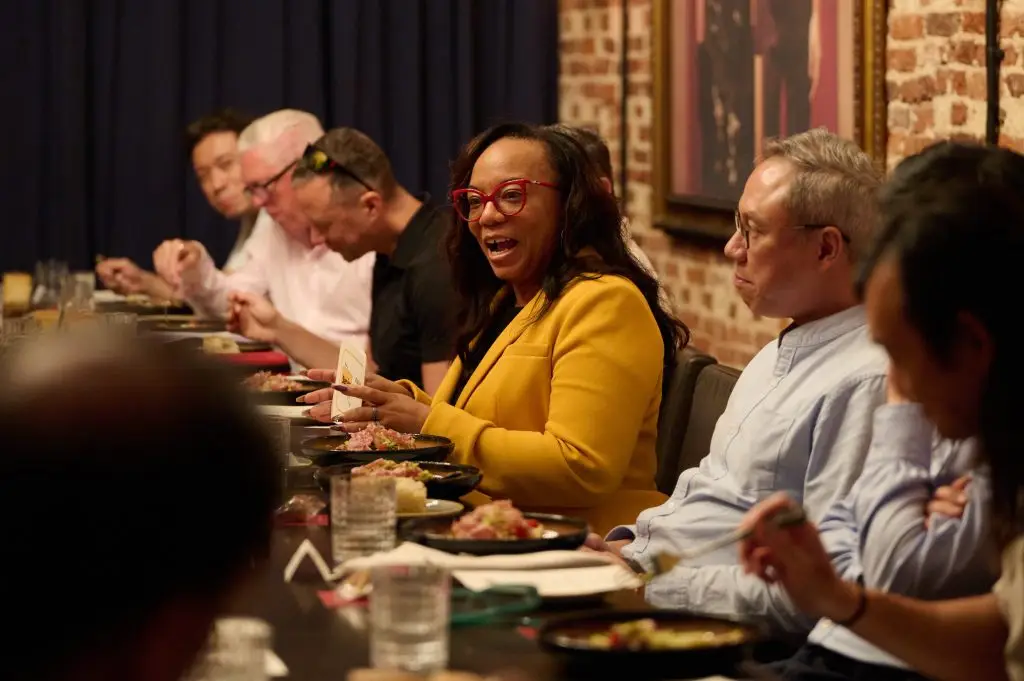
That trust is why The Ortus Club is selective about invitations in the first place. Jess says her team catches embellished LinkedIn titles most of the time, and people who try to talk their way into a room can get surprisingly defensive when caught.
A roundtable the company hosted with Atlassian in Singapore in February 2026 shows what that selectivity looks like in practice: a small, specific-topic room on how IT service management fits into modern enterprise developments, rather than a broad product pitch. Lauren Watson, Director of Legal Partnerships at Legl, made a related point in a separate interview with The Ortus Club: stepping outside a firm to sit with peers turns an internal problem into a shared industry one, which is easier to solve.
If there is a thesis running through everything Jess says, it is this one: getting a yes is the easy part. The harder question is what makes an executive actually show up.
An accepted invitation is not a commitment. It is a maybe with a deadline. What closes that gap between accepting and attending turns out to be a different set of decisions entirely, mostly ones marketers rarely talk about.
The mechanics nobody wants to talk about
Long before warmth or relevance enter the picture, there is a plainer truth: does the invitation even reach the decision maker? The Ortus Club has invested in outreach mechanics since day one, deliverability, shifting spam filters, and the scrutiny executives now apply to any message that lands in their inbox. LinkedIn remains, in Jess's view, a constant and still underestimated channel for reaching senior audiences.
But the thing that actually turns a yes into a body in the room, Jess says, is not the invite at all. It is what happens between acceptance and the event date. "A personal confirmation, from someone a guest actually knows and has interacted with before, protects attendance more than any automated reminder," she says.
That single habit is the practical answer to the question the first section leaves open. An automated reminder assumes trust already exists. A personal confirmation rebuilds it, one more time, right before the moment it matters most.
Consistency compounds the same effect over years, not weeks. "Community can't be built for a couple of quarters and then dismantled," Jess says. The Ortus Club has executives who have attended its events twelve or fifteen times over, the kind of repeat trust a one-off invite can never buy.
 Enricko Lukman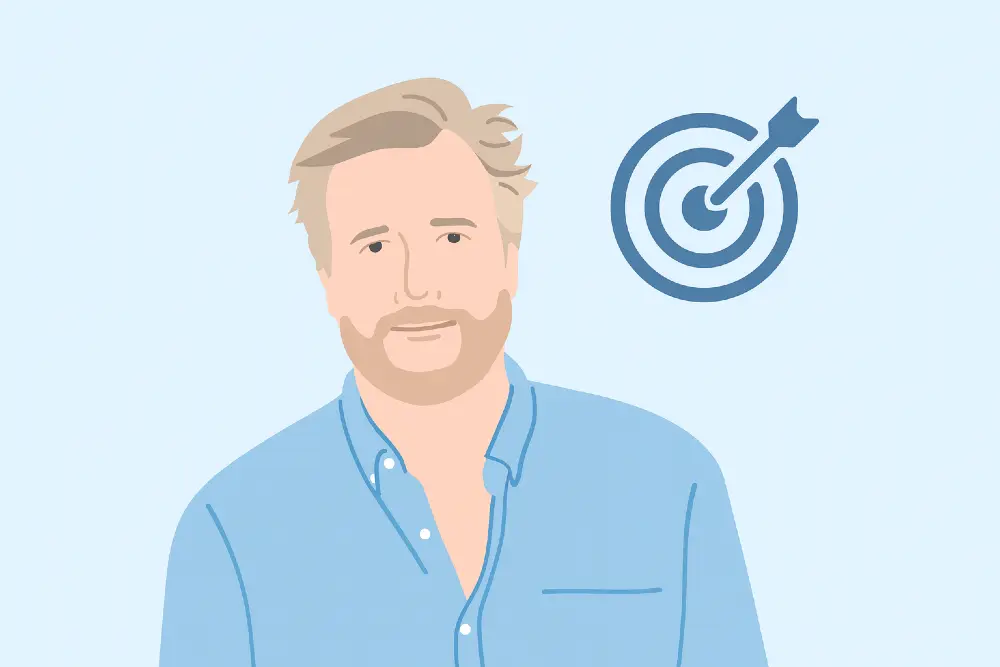
The AI complication
This is where Jess's story gets more complicated for marketers leaning on AI to scale personalization. "It's changed things completely. It would be silly to pretend otherwise. But it hasn't changed the fundamentals of trust. It's changed how much that trust is worth," she says.
When personalized outreach was rare, a decent, tailored email could land on its own merit. Now that anyone can generate volume and a passable version of personalization, executives filter faster and grow suspicious of anything too smooth.
"Senior marketers have told me they can spot an AI-drafted pitch by the second line, and once they've spotted it, trust is already affected," Jess says.
AI is genuinely useful for research and drafting, the tedious parts of the job. What it cannot do, in her words, is "noticing where someone's thinking is stuck, remembering their name and what they told you they were struggling with during an in person conversation."
That takes human preparation, not a prompt. The consequence: expectations have risen sharply. Jess now expects her team to know a guest's full history with The Ortus Club by heart, not on a spreadsheet, and for that to come across naturally in a live room.
 Enricko Lukman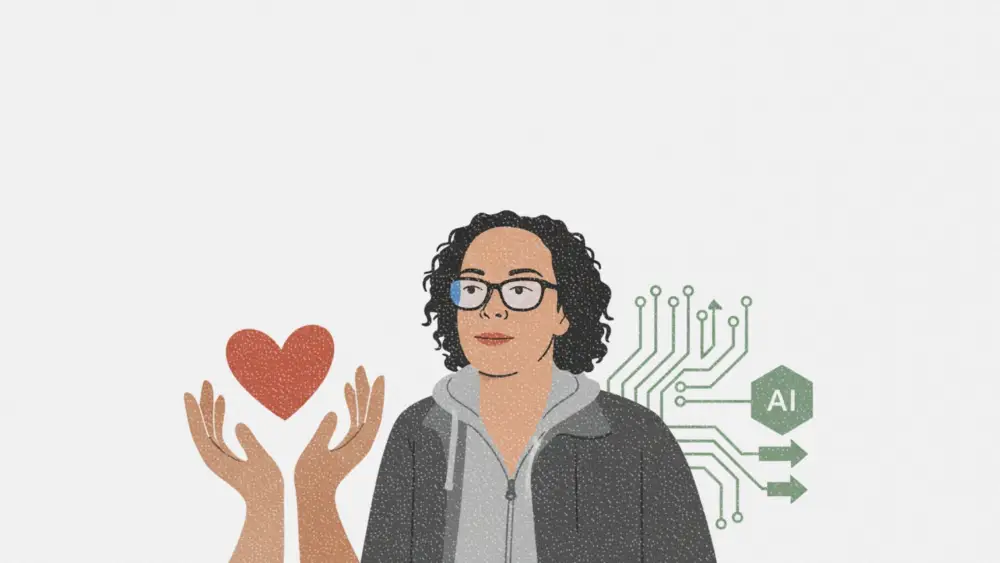
What happens after the yes
Trust does not stop mattering once an executive walks through the door. Jess sees one recurring failure point behind events that get a room full of yeses and still underdeliver: sales and marketing running on different KPIs. "I'd actually put it at close to fifty-fifty, even among our own clients and hosts," she says, between marketing walking in with a clear vision and sales under pressure to close something on the spot, turning the conversation into a pitch. "There's nothing more off-putting to an executive than talking to an account manager who doesn't actually have experience in the field," Jess adds.
Her advice is to question the reporting structure before the invite strategy. Sales and marketing should share one KPI, especially around events. Pipeline, in Jess's view, should be a byproduct of community, not the other way around, which is really the same rule that governs the invitation itself: an executive can tell within minutes whether the person across the table is there to build a relationship or close one.
That is also the direction Jess sees the wider industry moving. She points to The Ortus Club's B2B Marketing Summit at Marina Bay Sands in April, where around 300 senior marketing leaders from companies including Canva, TikTok, LinkedIn, and SailPoint discussed the same shift away from the pitch.
Nicholas Braman, marketing director APJ at Kyriba, told the summit the value now sits in "the human voice, and not the polished content." Jess expects the topic to resurface at Campaign Asia's Festival of Marketing this September, where The Ortus Club is an engagement partner.
AI has made it trivial to manufacture the appearance of personal attention at scale, and a misaligned sales team can undo it just as fast once the room is real. Jess's bet, across outreach, the room, and the follow-up, is that the appearance was never the valuable part. The executives she has spent a decade courting can tell the difference.